Abstract Mom & Daughter Dance: An Embroidery Review
As a professional embroidery designer and product reviewer, I approach every new digital asset with a critical eye toward production viability. When evaluating the Mom Dancing with Daughter in Abstract Style design, my primary concern is not just the aesthetic appeal on a screen, but how those vector lines will translate into physical thread on fabric. This review breaks down the practical application of this artwork for makers, Etsy sellers, and apparel decorators who need to know if this design can withstand real-world stitching and customer expectations.
Translating Abstract Motion into Stitch Logic
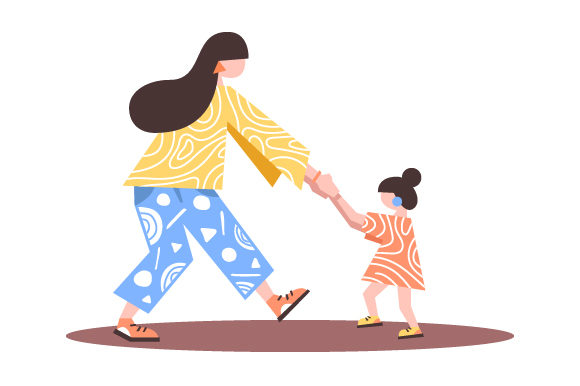
The first impression of Mom Dancing with Daughter in Abstract Style is one of fluid movement and emotional connection without the rigidity of realistic portraiture. For an embroiderer, abstract art is often a safer bet than detailed faces because it relies on shape and flow rather than precise anatomical accuracy. However, this specific style presents unique challenges and opportunities. The sweeping curves that define the "dance" require careful digitizing consideration. If you are converting the provided SVG, EPS, or DXF files into a machine embroidery design, you must decide whether these lines should be rendered as satin stitch columns or running stitches.
Satin stitches will give the design a raised, premium texture that catches the light, emphasizing the bond between mother and child. However, if the abstract limbs are too wide, you risk puckering or thread breaks. Conversely, a running stitch offers a sketch-like, modern feel that is lighter on the fabric and faster to produce, making it ideal for high-volume commercial embroidery projects. Before committing to a full production run, I strongly advise creating a test stitch-out to determine which interpretation best serves your specific handmade product line.
Real-World Application: The Custom Sweatshirt Test
To truly evaluate this design, I mentally placed it in a current market context: a custom embroidered sweatshirt intended as a personalized gift for Mother’s Day. Sweatshirts are typically made of fleece or French terry, fabrics that have significant texture and stretch. The Mom Dancing with Daughter in Abstract Style motif works exceptionally well here because its organic shapes complement the soft drape of the garment. Unlike geometric logos that can look stiff on loungewear, this abstract dance feels integrated and cozy.
For this specific use case, placement is everything. Center-chest placement creates a balanced, boutique-style look that appeals to modern moms. However, because sweatshirts are stretchy, using the correct stabilizer is non-negotiable. A cut-away stabilizer is necessary to prevent the abstract curves from distorting during wear and washing. If you are an Etsy seller listing this item, photographing the texture of the stitches against the fleece background will communicate quality to buyers far better than a flat digital mockup. The abstract nature allows for versatile thread color choices; a tonal cream-on-cream stitch-out looks high-end and subtle, while a contrasting rust or sage green makes the design pop for holiday embroidery collections.
Navigating Fabric Limitations and Hoop Constraints
While this design shines on stable knits, it requires caution when applied to other mediums. As a reviewer, I must highlight where Mom Dancing with Daughter in Abstract Style might fail if not handled correctly. Delicate baby clothes, such as onesies or lightweight cotton gowns, are popular for Crafts category items, but the density of an abstract fill can overwhelm thin fabric. If the design includes dense fill stitch areas to create shadow or depth, it may cause the garment to sag or tear. For baby embroidery, I recommend simplifying the file to outline-only or reducing the stitch density significantly to maintain the garment's integrity and comfort.
Furthermore, consider the hoop size limitations. Abstract designs often rely on continuous lines to convey motion. If you are forced to resize the design to fit a small 4x4 hoop, those graceful curves may become jagged or disconnected. Always check the minimum viable size before purchasing or digitizing. If the details of the mother-daughter connection are lost at smaller scales, reserve this design for larger formats like tote bag designs, pillow covers, or wall art patches. On curved surfaces like caps, this design is risky; the distortion required to wrap around a hat brim often ruins the delicate proportions of abstract figures. Stick to flat surfaces to preserve the artistic intent.
Commercial Viability for Small Business Owners
For creative entrepreneurs and small shop owners, time is money. The versatility of receiving this design in SVG, Transparent PNG, EPS, and DXF formats is a significant asset. The transparent PNG is immediately useful for printable mockups and digital product previews, allowing you to list the item in your shop before you have even threaded your needle. This speeds up your workflow and helps validate market interest. However, do not rely solely on digital assets. Customer trust in the Crafts niche is built on seeing actual stitched results.
When marketing this as a Mother’s Day product, emphasize the emotional resonance of the abstract style. It represents a feeling rather than a specific likeness, which broadens your target audience. A customer doesn't need to see their exact face to connect with the sentiment. This universality makes Mom Dancing with Daughter in Abstract Style a strong candidate for evergreen inventory rather than just seasonal sales. Just ensure you verify the licensing terms included with your download. Confirm whether you have rights for commercial embroidery of finished products versus selling the digital embroidery file itself, as these permissions often differ.
Essential Designer Notes for Production Success
Before you load this design into your machine for a client project or personal craft, run through this practical checklist derived from professional testing standards:
- Test on Scrap Fabric First: Never stitch directly onto a final product without a trial run. Use a scrap of the exact fabric and stabilizer combination you plan to use to check for registration issues or puckering.
- Evaluate Thread Color Contrast: Abstract designs depend heavily on value contrast. Test the design in black and white thread on both light and dark fabric backgrounds. If the mother and daughter figures blend together, adjust your thread palette to ensure visual clarity.
- Inspect Small Details: Zoom in on the vector file. Are there tiny gaps or overlapping nodes that might cause needle breaks? Clean up the artwork in your embroidery software before generating the stitch file.
- Check Stabilizer Compatibility: Match your stabilizer weight to the stitch density. Heavy fills require heavy cut-away; light running stitches may only need tear-away or wash-away support.
- Verify Licensing for Digital Sales: If you plan to sell this as part of a digital bundle or use it in POD (Print on Demand) services, double-check the specific usage rights for the SVG and EPS files.
- Assess Washability: If creating tea towels or aprons, remember that complex satin stitches can snag in the wash. Consider a denser underlay or switching to tatami fills for high-wear items.
Ultimately, Mom Dancing with Daughter in Abstract Style is a beautiful concept with strong potential for the handmade market. Its success depends entirely on your technical execution. By respecting the relationship between vector art and textile physics, you can transform this digital file into a cherished, professional-quality embroidered piece that resonates with customers and stands the test of time. Whether you are crafting a single personalized gift or stocking a boutique collection, let practical judgment guide your creative process.