Coffee Crafting Repeat SVG: A Designer’s Stitch Test
First Impressions: Visual Rhythm and Caffeinated Charm
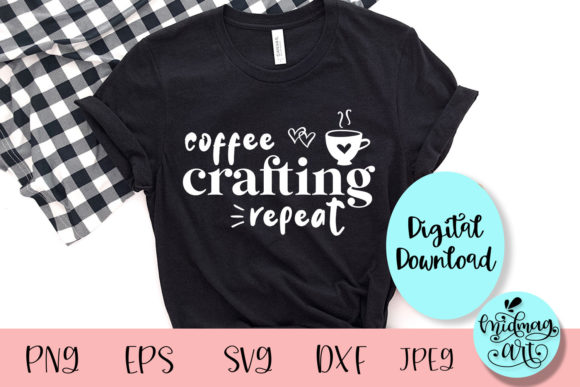
When I first opened the zip file for the Coffee Crafting Repeat Svg, Mom Svg, I wasn't just looking at a graphic; I was evaluating a potential bestseller for my embroidery business. As a designer who bridges the gap between digital graphics and tangible textiles, my immediate focus is always on translation. How does this vector art survive the needle? The initial impression of this design is one of cozy, rhythmic nostalgia. It captures that specific intersection of motherhood and caffeine culture without feeling cliché. The repeat pattern suggests movement and continuity, which is visually appealing but technically demanding in an embroidery context.
The mood is undeniably warm, evoking early mornings and creative chaos. For a machine embroidery design, this emotional resonance is half the battle. However, as I inspected the lines intended for stitch conversion, I noted the balance between negative space and detail. A good embroidery file needs breathing room, and this graphic seems to respect that boundary. It feels like it belongs on a canvas tote bag or a heavyweight sweatshirt rather than a delicate handkerchief. The aesthetic is modern yet homey, making it a strong candidate for both personal projects and commercial inventory.
Real-World Application: The Custom Tote Bag Test
To truly evaluate this asset, I mentally placed it into a current client project: a custom embroidered tote bag for a local mom’s group fundraiser. This scenario tests the design's versatility because tote bags require durability, visibility from a distance, and a layout that accommodates fabric grain. Using the Coffee Crafting Repeat Svg, Mom Svg as a base, I envisioned converting the repeat elements into a combination of fill stitch and satin stitch borders.
In this real-life application, the repeat nature of the SVG allows for flexible sizing. I could isolate a single coffee cup motif for a pocket-sized accent or use the full repeat for an all-over print effect on the bag’s center panel. For the text elements, specifically the "Mom" typography, I would likely opt for a bold running stitch or a bean stitch to ensure legibility against the natural canvas texture. This practical test reveals that the design isn't just a static image; it is a modular toolkit. Whether you are creating holiday embroidery gifts or stocking an Etsy shop with everyday accessories, this graphic adapts to the physical constraints of the product while maintaining its brand identity.
Navigating Technical Constraints and Fabric Choices
While the visual appeal is high, any experienced apparel decorator knows that pretty vectors can become messy stitches if technical limits are ignored. When working with this design, caution is required regarding fabric texture and stabilizer choices. Because this is a repeat pattern, there is a risk of excessive stitch density if the motifs are placed too closely together during digitizing. On stretchy fabrics like jersey knits used for t-shirts or baby clothes, a dense repeat can cause puckering or distortion.
I recommend using this design carefully on curved surfaces like caps. The horizontal flow of a repeat pattern often fights against the structured curve of a hat brim, leading to registration issues where outlines don't meet fill areas perfectly. Similarly, on dark fabrics, ensure your thread colors provide enough contrast. A medium brown coffee tone might disappear on a chocolate sweatshirt unless outlined or highlighted. For thin or sheer fabrics, this design may be too heavy; the needle perforations could compromise the material's integrity. Always verify your hoop size before committing to a large repeat section, as resizing complex patterns can sometimes distort small details like steam wisps or facial expressions on illustrated characters.
Elevating Product Value Through Professional Execution
The difference between a hobbyist craft and a professional handmade product often lies in how well the design suits the medium. The Coffee Crafting Repeat Svg, Mom Svg has the potential to significantly boost perceived value when executed correctly. Clean stitching, proper tension, and appropriate placement signal quality to buyers. When customers see a crisp, well-aligned embroidered patch or a smooth sweatshirt embroidery design, their trust in your brand increases.
This graphic also serves as excellent digital product assets for mockups. Before stitching a single thread, I use the SVG to create printable mockups for social media or listing photos. This helps validate market interest before investing time in sampling. For Etsy sellers and small shop owners, consistency is key. Using this cohesive design across multiple products—matching aprons, tea towels, and nursery decor—creates a recognizable collection. This visual branding encourages repeat purchases and makes your shop look curated rather than cluttered. The "Mom" aspect adds a layer of giftability, making finished items ideal for Mother’s Day, baby showers, or birthday presents.
Essential Pre-Stitch Checklist for Makers
Before you load this file into your machine or list it for sale, run through this practical designer checklist to ensure success:
- Test on Scrap Fabric First: Never stitch a new design directly onto a final product. Use a scrap of the exact fabric and stabilizer combination you plan to use to check for puckering or thread breaks.
- Verify File Compatibility: The zip contains an SVG suitable for Cricut, Silhouette, and Adobe Suite, plus a DST file. Confirm your embroidery software reads the DST correctly and that no nodes were lost during conversion.
- Check Stitch Density: If you are digitizing this yourself or modifying an existing embroidery file, reduce density in overlapping areas to prevent bulletproof stiffness.
- Evaluate Thread Colors: Compare your thread palette against the design on both light and dark backgrounds. Ensure the "coffee" tones read as warm and inviting, not muddy.
- Confirm Licensing Terms: Review the specific license included in the zip. Verify whether you can sell finished physical products, digital embroidery files, or both. Protecting your business means respecting intellectual property.
- Inspect Small Details: Zoom in to 100% on your screen. Tiny elements like steam curls or serif fonts may need to be simplified or removed to stitch out cleanly.
- Mockup Testing: Create black and white mockups to test value contrast. If the design looks flat in grayscale, it will likely look flat when stitched in similar tonal threads.
Final Thoughts for Creative Entrepreneurs
The Coffee Crafting Repeat Svg, Mom Svg represents more than just a cute graphic; it is a versatile foundation for a wide range of embroidery projects. From custom apparel to personalized gifts, its strength lies in its relatable theme and adaptable layout. However, successful implementation requires a respectful approach to the mechanics of machine embroidery. By understanding where this design shines and where it requires modification, you can transform a digital download into a high-quality, profitable addition to your creative business. Remember that every stitch counts toward your reputation, so take the time to test, adjust, and perfect your process before offering the finished product to the world.