Mom and Baby Alligators: A Designer’s Stitch Review
When evaluating a new machine embroidery design for my shop, I look past the digital preview and imagine how it will actually behave under the needle. The Mom and Baby Alligators design immediately caught my attention not just as a cute animal motif, but as a versatile asset for specific handmade products. In the world of crafts and custom apparel, finding an embroidery file that balances whimsy with structural integrity is rare. This review breaks down my practical assessment of this design, focusing on real-world application for Etsy sellers, boutique owners, and serious hobbyists who need their finished products to look professional and withstand customer use.
First Impressions and Visual Personality
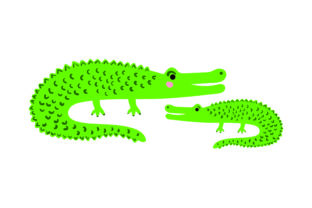
My initial reaction to Mom and Baby Alligators was that it carries a distinct narrative weight. Unlike generic clip art, the relationship between the two figures suggests protection and playfulness, which resonates deeply with buyers looking for personalized gifts or nursery decor. The layout feels balanced, avoiding the common pitfall where baby animals look like mere afterthoughts tacked onto a larger parent shape. For a designer, this balance is crucial because it dictates how the eye travels across the embroidered patch or garment.
The visual personality leans toward "modern heritage." It isn't overly cartoonish, nor is it strictly realistic. This middle ground makes it exceptionally useful for a wider demographic. I can see this working equally well on a toddler’s sweatshirt embroidery project as it would on a mother’s tote bag design. When selecting design assets for a craft business, versatility drives ROI, and this alligator pair offers enough character to stand alone without needing excessive text or background elements to fill space.
Real-World Application: The Custom Tote Bag Test
To truly judge an embroidery project, you have to stitch it out in context. I mentally placed Mom and Baby Alligators on a natural canvas tote bag, a staple item for small shop product lines. Canvas provides a stable base, but its texture can sometimes swallow fine details. In this scenario, the design’s strength lies in its potential for clear silhouette definition. If utilizing this as an applique design, the larger body shapes of the alligators offer ample surface area for fabric placement, reducing the total stitch count while adding tactile interest.
For a commercial embroidery setup producing merchandise for a zoo gift shop or a nature-themed boutique, this design serves as excellent branding material. It avoids being too juvenile, allowing it to appeal to adult shoppers buying for themselves rather than just for children. However, if I were using this for baby embroidery on a delicate onesie, I would approach the digitizing differently. The interaction between the mom and baby creates natural focal points that guide placement; centering the design requires careful measurement to ensure the "baby" doesn't get lost in a side seam or obscured by a diaper line.
Performance Across Different Substrates
A digital embroidery file might look perfect on screen, but fabric texture changes everything. Here is how I anticipate Mom and Baby Alligators performing across various materials:
- Fleece and Sweatshirts: The pile of fleece can obscure running stitch details. If the design relies on thin outlines to define the alligators' features, those lines may disappear. I recommend testing stitch density or using a topping stabilizer to keep the stitches sitting on top of the fabric nap.
- Cotton Quilting Fabric: This is the ideal substrate. The tight weave supports both satin stitch borders and fill stitch interiors beautifully. For tea towels or pillow covers, the design should render with high clarity.
- Stretchy Knits: Caution is required here. Animal designs with dense fill areas can cause puckering on t-shirts. Proper hooping and cut-away stabilizer are non-negotiable to prevent the alligators from distorting after washing.
- Dark Fabrics: Since the provided formats include SVG and Transparent PNG, checking contrast is easy before stitching. On dark denim or navy caps, ensure the thread colors provide sufficient separation so the baby alligator doesn't visually merge into the mom’s shadow.
Critical Considerations for Small Details and Hoop Sizes
One of the most common failures in handmade products is resizing a design beyond its safe limits. With Mom and Baby Alligators, the relationship between the two figures likely includes smaller details—eyes, teeth, or scale textures—that define the charm. If you attempt to shrink this design for a 4x4 hoop size or a pocket logo, verify that these elements remain legible. Tiny satin stitches can turn into thread nests or break needles if reduced too aggressively.
Conversely, enlarging the design for a jacket back or large hoop size requires checking stitch density. Simply stretching an embroidery file can result in sparse coverage where the fabric shows through. As a professional reviewer, I always advise checking whether the digitizer has accounted for scaling. If you are modifying the size significantly, run a test stitch-out on scrap fabric first. This step saves money on ruined garments and protects your reputation as a maker. For cap embroidery specifically, the curvature of the hat brim can distort horizontal alignments; ensure the alligators’ baseline sits correctly relative to the curve.
Commercial Viability and Customer Perception
For Etsy sellers and creative entrepreneurs, the value of a design extends beyond aesthetics to marketability. Mom and Baby Alligators taps into the evergreen "mommy and me" niche without being cliché. This specificity helps with search visibility and buyer engagement. When creating printable mockups for your listings, utilize the Transparent PNG format to overlay the design on realistic product photos. High-quality previews build customer trust and reduce return rates caused by unmet expectations.
However, professionalism hinges on execution. A poorly stitched alligator looks amateurish regardless of the design quality. Pay attention to thread colors; using variegated threads for scales can add depth, but solid colors often read better in product photography. Consider the end-use: if this is for a holiday embroidery collection, color-swapping to greens and reds works seamlessly. If it is for year-round commercial embroidery, sticking to naturalistic or brand-aligned palettes ensures longevity in your catalog.
Designer Notes for Best Results
Before loading Mom and Baby Alligators into your machine, run through this practical checklist to ensure a premium finished product:
- Verify File Compatibility: You receive SVG, Transparent PNG, EPS, and DXF files. While these are excellent for cutting machines, sublimation, and vector editing, confirm they are compatible with your specific embroidery software if you intend to edit stitch data. Some formats are for display/cutting only.
- Stabilizer Selection: Match your stabilizer to the fabric weight. Do not use tear-away on stretchy knits for this design; the stress of removing it could distort the alligator shapes.
- Contrast Check: Print the design in black and white. If the mom and baby blend together in grayscale, they will likely lack definition when stitched in similar tonal thread colors.
- Licensing Confirmation: Always review the specific license terms included with your purchase. Confirm whether you can sell physical embroidered items, digital files, or both. Respecting intellectual property is vital for sustainable business practices.
- Mockup Testing: Use the provided assets to create varied listings. Show the design on a baby bib, a garden flag, and a laptop sticker to demonstrate versatility to potential buyers.
Final Verdict on Usability
Mom and Baby Alligators represents a strong addition to any crafter’s library, particularly for those specializing in family-oriented or nature-themed goods. Its success in a real project depends entirely on respecting the technical constraints of embroidery. By treating this design as a component of a larger production workflow—testing densities, matching stabilizers, and verifying licensing—you transform a simple digital file into a profitable, high-quality handmade product. Whether you are decorating a personalized gift for a client or building inventory for a craft fair, this design offers the right mix of emotional appeal and structural adaptability needed for professional results.