Mom and Baby Mooses: A Designer’s Embroidery Review
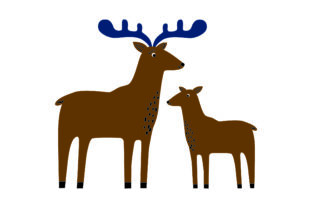
When evaluating a new machine embroidery design for professional or commercial use, my first question is always about emotional resonance. Technical perfection matters, but if a design does not evoke a feeling, it will not sell. Upon reviewing the Mom and Baby Mooses artwork, the immediate impression is one of gentle nostalgia and woodland warmth. This is not merely a generic animal graphic; it captures a specific tenderness that translates beautifully into fiber arts. For those of us in the craft business or running an Etsy shop, this design sits squarely in the sweet spot of nursery decor, personalized gifts, and boutique apparel. The silhouette suggests a balance between rustic charm and modern vector cleanliness, making it a versatile asset for both digital product sellers and physical embroiderers.
Evaluating Stitch Potential and Visual Weight
As a designer, I look at vector files like SVG, EPS, and DXF through the lens of needle and thread. While this Mom and Baby Mooses package provides excellent scalable formats perfect for printable mockups or vinyl cutting, translating them into a satin stitch or fill stitch requires foresight. The organic shapes of the moose antlers and the curvature of the mother-and-calf interaction are visually pleasing, but they demand careful digitizing consideration. If you are converting this embroidery file yourself or hiring a digitizer, pay close attention to the stitch density in the antler region. Antlers can easily become too dense, causing fabric puckering on lighter materials, or too sparse, resulting in a sketchy appearance that lacks professionalism.
The interaction between the two figures creates a natural focal point. In a real-world application, such as a sweatshirt embroidery project, this central grouping allows for excellent placement options. You can center the design on the chest for a classic look or scale it down for a pocket-sized accent. However, because the design relies on the relationship between the two animals, cropping too tightly or resizing disproportionately could disrupt the visual narrative. When preparing this for custom apparel, I recommend maintaining the original aspect ratio to preserve the integrity of the handmade product aesthetic.
Real-World Application: The Nursery Tote Bag Test
To truly judge the viability of Mom and Baby Mooses, I mentally placed it onto a canvas tote bag intended for a new parent gift set. Tote bags are a staple for small shop products because they offer a flat, stable surface for embroidery while serving as a high-visibility marketing tool for your brand. In this scenario, the design needs to hold its own against the textured weave of canvas.
For this specific embroidery project, the transparent PNG included in the package is invaluable for creating quick digital previews to show clients before stitching begins. Seeing the design overlaid on a bag mockup helps confirm scale and placement. When moving to actual production, the choice of stabilizer becomes critical. Canvas is forgiving, but if you were applying this to a stretchy knit baby onesie, you would need a cut-away stabilizer to prevent distortion during the stitching process. The design’s lines appear clean enough to work as an applique design, which would reduce stitch count and add a tactile fabric element that enhances the "crafts" category appeal. Alternatively, a full fill stitch version would provide a more traditional, heirloom quality suitable for holiday embroidery or framed nursery art.
Fabric Compatibility and Placement Warnings
While Mom and Baby Mooses is versatile, it is not immune to technical limitations. Based on the line work and implied detail, here are practical cautions for makers:
- Textured Fabrics: On terry cloth towels or fleece blankets, fine details in the moose’s face or legs may get lost. Consider adding a topping stabilizer or simplifying the design elements for these surfaces.
- Stretchy Knits: If using this for baby clothes or lightweight tees, test the stitch density first. Large solid areas can make fabric stiff and unwearable. A light fill or redwork style might be superior to heavy satin stitches here.
- Curved Surfaces: Hooping caps or curved tote straps requires caution. The horizontal span of the mom and baby pairing might distort on a curved cap brim. This design likely performs best on flat hoops or cylindrical items with a large radius.
- Dark vs. Light Backgrounds: Always check thread colors against your base fabric. If the moose is dark brown, it will vanish on black apparel without an outline or contrast element. Use the transparent PNG to test colorways digitally before wasting thread.
Commercial Value for Makers and Sellers
For Etsy sellers and creative entrepreneurs, the value of this design extends beyond a single stitched item. The inclusion of SVG and EPS formats means you can create cohesive branding across multiple mediums. You could offer the embroidered patch version for jackets while simultaneously selling iron-on vinyl versions for customers who do not own embroidery machines. This multi-format flexibility maximizes the return on investment for your design assets.
However, a crucial step for any commercial embroidery venture is verifying licensing. Before listing a finished product featuring Mom and Baby Mooses, confirm whether your purchase includes commercial rights for physical goods versus digital redistribution. Customers trust brands that respect intellectual property, and clarity on usage rights protects your business. Additionally, when creating listings, use the transparent PNG to create professional, well-lit mockups. Buyers engage more readily with products they can visualize clearly. Showing the design on a variety of items—from a nursery pillow to a mama sweatshirt—demonstrates versatility and increases perceived value.
Designer Notes for Successful Execution
Before committing this design to a final product, run through this practical checklist to ensure professional results:
- Test Stitch First: Never skip the sample run. Use scrap fabric similar to your final project to check registration, tension, and overall feel.
- Verify Hoop Size: Measure the design dimensions in your software. Ensure it fits comfortably within your hoop size with adequate margin for stabilization.
- Check Small Details: Zoom in to inspect corners and tight curves. If digitizing from the provided vectors, ensure jump stitches are minimized and trims are logical.
- Contrast Check: Print a black and white version of the design. If the mom and baby blend into a single unrecognizable blob, you need to adjust thread colors or add separation lines.
- Wash Test: If selling baby items or kitchen textiles, wash and dry your test swatch. Ensure the stitch density holds up and the fabric does not pucker after laundering.
Mom and Baby Mooses offers a delightful foundation for a wide range of animal-themed crafts. Its strength lies in its emotional connection and clean aesthetic, which serves both the hobbyist making a personalized gift and the business owner building a woodland collection. By approaching this design with technical mindfulness and respecting the nuances of fabric and thread, you can transform these digital files into tangible, cherished keepsakes. Whether you are crafting for a craft fair or fulfilling custom orders, let the gentle nature of this design guide your material choices and finishing techniques for a result that feels as good as it looks.