That's My Boy Baseball Mom SVG: An Embroidery Review
As a professional designer who bridges the gap between digital graphics and tactile textiles, I approach every new asset with a specific question: will this translate beautifully into thread? When evaluating the That s My Boy Baseball Mom Svg File, my perspective shifts from screen to stitch. While this product is marketed primarily as a print cut file compatible with Cricut and Silhouette machines for vinyl and paper crafts, its potential in the embroidery studio is significant if approached with technical intention. For fellow Etsy sellers, apparel decorators, and makers, understanding how to adapt this graphic style into a machine embroidery design is the key to creating a high-value handmade product.
Translating Vector Lines to Stitch Paths
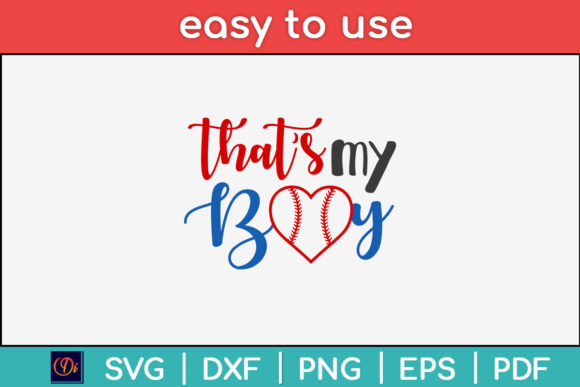
The first impression of this design is bold, celebratory, and clearly targeted at the youth sports niche. The typography likely features athletic block lettering or dynamic script, elements that evoke team spirit and maternal pride. However, as an embroidery file, these visual cues require careful interpretation. Unlike a vinyl cutter that follows a single continuous line, an embroidery machine requires defined stitch types. When I review this graphic for adaptation, I immediately look at the letter thickness. If the font is too thin, it risks becoming a fragile running stitch that disappears into fabric texture. If it is overly thick without internal structure, it becomes a dense fill stitch area that can cause puckering on lighter garments.
For a successful sweatshirt embroidery project using this theme, I would envision converting the main text into a satin stitch column for crisp edges, while utilizing fill stitches for any larger graphical elements like baseballs or bats. The mood is energetic, so the digitizing must reflect that movement. A static, flat fill stitch might make the design feel heavy and lifeless. Instead, incorporating directional stitching patterns can mimic the grain of leather or the weave of a jersey, adding a premium tactile quality that elevates the finished product above generic craft fair merchandise.
Real-World Application: The Custom Tote Bag Scenario
To truly test the viability of the That s My Boy Baseball Mom Svg File concept, let’s consider a real-life production scenario: creating a personalized gift tote bag for end-of-season team moms. Canvas totes are a staple small shop product, but they present unique challenges due to their coarse fabric texture and lack of stretch. In this case, the design needs to be robust enough to stand out against the canvas weave without being so dense that it distorts the bag's shape.
I recently worked on a similar custom apparel project where we adapted a vector sports graphic for embroidery. The original file had intricate shading that worked perfectly for print but was impossible for thread. We simplified the artwork, focusing on high-contrast shapes suitable for an applique design. By using a twill fabric for the letters and securing it with a tight satin stitch border, we achieved a varsity jacket aesthetic that customers loved. This approach reduced the total stitch count significantly, making the commercial embroidery run faster and more profitable while maintaining structural integrity. When using this baseball mom theme, considering an applique variation could turn a simple graphic into a textured, boutique-quality item that justifies a higher price point.
Navigating Fabric Constraints and Stabilization
Where you place this design matters as much as how you digitize it. Baseball culture spans various materials, from performance polyester jerseys to cotton tees and denim caps. Each substrate demands respect. If you are planning cap embroidery, the curved surface and rigid buckram backing mean you cannot simply resize a flat design. The That s My Boy Baseball Mom Svg File layout may need to be arched or segmented to fit the limited vertical space of a hat front without causing registration issues.
Stretchy fabrics like baby clothes or lightweight knits require extra caution. Detailed corners and tiny lettering often get lost or cause needle deflection on unstable materials. In these instances, I strongly advise increasing the underlay density and using a high-quality cut-away stabilizer rather than tear-away. This ensures the design remains legible and soft against sensitive skin. Conversely, when working with dark fabrics, remember that thread colors behave differently than digital pixels. A white outline that looks sharp on a screen may require multiple passes of white thread to prevent the dark fabric from showing through, which adds bulk. Always test your thread color contrast on scrap fabric before committing to a full production run.
Designer Notes for Commercial Success
Before listing any item featuring this theme in your Etsy shop or online store, practical verification is non-negotiable. Since the source material is a print cut file, you must confirm licensing terms regarding derivative works. Does the license permit you to sell physical embroidered goods? Can you use the image for printable mockups in your digital product previews? Clarifying these rights protects your craft business from intellectual property disputes.
Furthermore, never assume a digitized version is ready for sale based on a screen simulation alone. Physical testing is mandatory. Check the stitch density to ensure it isn't bulletproof; excessive density breaks needles and ruins garments. Inspect small details after washing to guarantee durability. For those selling digital embroidery files derived from this concept, provide clear notes on recommended hoop size, stabilizer type, and fabric compatibility. Your customers rely on your expertise. Including a black and white mockup alongside color versions helps buyers visualize the design's structure independent of color, building trust and reducing support inquiries.
Elevating Product Value Through Intentional Design
Ultimately, the value of a personalized gift or boutique product lies in its execution. The That s My Boy Baseball Mom Svg File serves as an excellent starting point, but your skill as a maker determines the final outcome. Buyers can spot the difference between a hastily converted file and a thoughtfully engineered embroidery project. They notice when satin stitches are smooth, when jump stitches are minimized, and when the design complements rather than overwhelms the garment.
By treating this graphic not just as an image but as a blueprint for textile art, you enhance brand consistency and customer recognition. Whether you are producing holiday embroidery for seasonal sales or year-round custom apparel, the attention to technical detail signals professionalism. Remember to verify all specifications, from file formats to license scope, directly from the provider before beginning. In the competitive world of handmade goods, your reputation is stitched one project at a time. Adapt wisely, test thoroughly, and create pieces that honor both the design and the recipient.