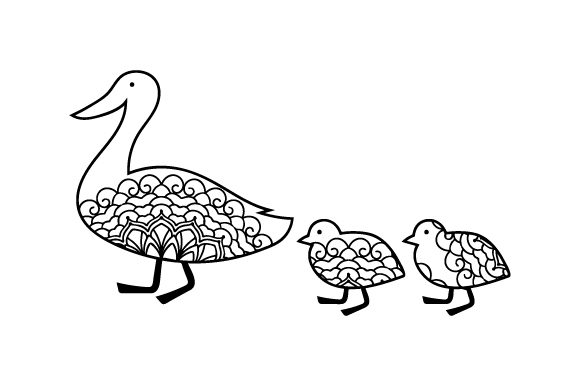
Mom and Baby Ducks: A Designer’s Embroidery Review
When evaluating a new machine embroidery design for professional or commercial use, my first question is always about versatility. Does the artwork translate well from screen to stitch? As a designer who regularly reviews assets for craft business applications and client projects, I approached the Mom and Baby Ducks collection with a critical eye toward real-world production. While this asset is categorized under Mandalas and Crafts, its aesthetic leans heavily into pastoral charm rather than geometric abstraction. This distinction matters significantly when planning inventory for an Etsy seller or selecting motifs for custom apparel. The visual personality here is soft, nurturing, and inherently nostalgic, making it a strong candidate for specific niches while requiring careful handling in others.
First Impressions and Visual Mood
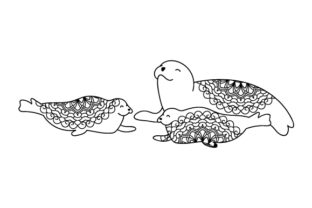
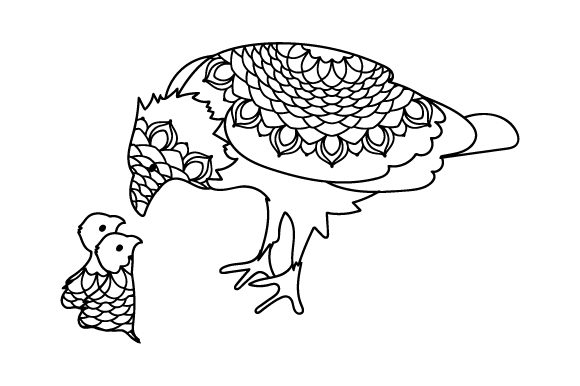
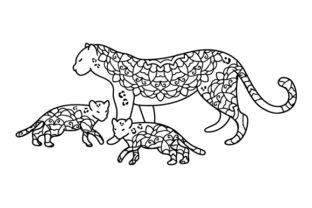
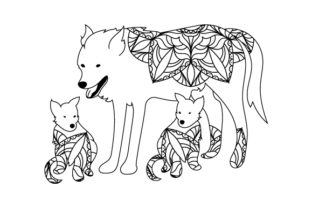
The immediate impact of Mom and Baby Ducks is one of gentle movement and organic cohesion. Unlike rigid mandala structures that demand perfect centering and high-contrast thread colors, this design feels more fluid. For a handmade product, this is advantageous because it forgives minor placement variances better than strict geometric patterns. The relationship between the mother duck and her ducklings creates a natural focal point that guides the viewer’s eye across the composition. This narrative quality is essential for personalized gift items where emotional resonance drives purchasing decisions.
From a technical design perspective, the line work appears suitable for both satin stitch outlines and fill stitch interiors, depending on the final size. However, because the file formats provided are vector-based (SVG, EPS, DXF) and raster (Transparent PNG), you must verify the actual digitization parameters if converting these into a native embroidery file. Vector files are excellent for creating printable mockups and design assets for marketing, but they do not contain stitch data. Always confirm your digitizing software settings or source a pre-digitized version specifically tested for embroidery before committing to production.
Real-World Application: The Nursery Tote Test
To truly judge this design, I mentally placed it in a recent commission scenario: a custom canvas tote bag intended as a diaper bag alternative for a new mother. In this context, Mom and Baby Ducks serves as more than decoration; it acts as branding for the recipient's new identity. Canvas is a forgiving fabric texture, allowing for higher stitch density without puckering. For this project, I would utilize the SVG or DXF file to resize the artwork appropriately for a 5x7 hoop, ensuring the ducklings remain distinct and do not merge into a muddy blob of thread.
In a commercial embroidery setting, this motif performs exceptionally well on natural fibers like cotton twill, linen, and denim. I envision this design thriving on baby embroidery projects such as bibs, burp cloths, and nursery wall hangings. The theme aligns perfectly with spring collections, Easter merchandise, and baby shower gifts. For small shop product lines, pairing this design with pastel or muted earth-tone thread colors enhances the boutique feel. Avoid neon or overly saturated threads, as they clash with the inherent softness of the subject matter and can make the finished piece look cheap rather than artisanal.
Technical Considerations and Fabric Limitations
While the design is charming, practical application requires caution regarding substrate selection. If you are planning sweatshirt embroidery or working with stretchy knits, the organic shapes of Mom and Baby Ducks can distort easily. Knit fabrics move during stitching, and without adequate stabilizer and proper hooping tension, the ducks may appear stretched or misaligned. I recommend using a cut-away stabilizer for any apparel application to maintain structural integrity after washing.
Be particularly mindful when attempting this design on textured fabrics like terry cloth or fleece. The fine details often present in waterfowl illustrations—such as feather definition or beak separation—can get lost in the pile of the fabric. If you intend to create holiday embroidery on plush blankets, consider simplifying the design or adding a topping stabilizer to keep stitches visible. Conversely, on very thin fabrics like voile or lightweight cotton, high stitch counts can cause tearing. Always run a test stitch-out on scrap material that matches your final project’s weight and weave.
Dark fabrics present another challenge. Unless the design includes a white underlay or is specifically digitized for dark backgrounds, the details of Mom and Baby Ducks may disappear against navy or black material. For custom apparel on dark garments, verify that the digitizer has included appropriate underlay stitches to prevent the top threads from sinking into the fabric. This step is non-negotiable for maintaining professional quality and customer trust.
Commercial Viability and Product Value
For creative entrepreneurs and Etsy sellers, the value of Mom and Baby Ducks lies in its cross-generational appeal. It works equally well for infant wear and adult accessories, expanding your potential customer base. When listing products, use the Transparent PNG to create clean, professional listings that show the design clearly without background distractions. High-quality mockups increase perceived value and reduce return rates by setting accurate expectations.
However, licensing is paramount. Before selling any finished product featuring this design, you must confirm the commercial usage rights associated with your purchase. Some designers restrict the number of physical items you can sell or prohibit the resale of the digital files themselves. Clarifying these terms protects your business from legal issues and supports the original artist. Additionally, if you are offering embroidered patch services, ensure the design holds up at smaller sizes. Details that look crisp at four inches may become indistinguishable at two inches, necessitating a simplified version for patch work.
Designer Notes for Successful Execution
Based on my experience reviewing similar nature-themed assets, here are practical steps to ensure success with Mom and Baby Ducks:
- Verify File Compatibility: Confirm that the SVG, EPS, DXF, or PNG files are compatible with your specific digitizing software or cutting machine before starting. Not all programs interpret vector curves identically.
- Test Stitch Density: If digitizing from scratch, balance density to prevent bulletproof stiffness. Nature themes should feel soft to the touch, especially for baby items.
- Check Hoop Size Requirements: Measure the design dimensions carefully. Resizing vector art is easy, but resizing embroidery beyond 20% can compromise stitch integrity. Choose the correct hoop size initially.
- Evaluate Thread Contrast: Test color combinations on actual fabric swatches. What looks good on a monitor may lack contrast in thread form. Ensure the mother duck and babies are visually distinct from each other and the background.
- Mockup Realistically: Use the transparent PNG to create mockups that reflect true scale and placement. Misleading mockups damage brand reputation.
- Inspect Small Details: Zoom in to check for overlapping stitches or gaps in the vector lines that could cause registration errors during embroidery.
- Wash Test: For items like tea towels or baby clothes that require frequent laundering, wash your test sample to check for shrinkage or thread distortion.
Final Thoughts on Design Utility
Mom and Baby Ducks offers significant potential for makers focused on family-oriented, seasonal, or nursery markets. Its strength lies in its emotional connection and adaptability across various crafts and mediums. Whether you are producing tote bag designs for a farmers market or curating a digital library for future embroidery projects, this asset provides a solid foundation. Success ultimately depends on respecting the technical requirements of embroidery translation and matching the design’s gentle aesthetic with appropriate materials and applications. By approaching this design with professional diligence rather than casual assumption, you elevate the quality of your output and strengthen the trust your customers place in your handmade goods.