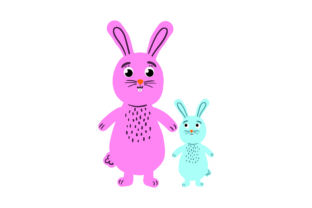
Mom and Baby Rabbits: A Designer’s Stitch Test
When evaluating a new machine embroidery design for my studio, I look past the digital preview and immediately imagine how it will behave under the needle. The Mom and Baby Rabbits motif initially caught my eye because of its inherent warmth and narrative quality. In the crowded category of Animals, this specific illustration stands out not just as a cute graphic, but as a potential anchor piece for high-value handmade products. As a designer who regularly produces custom apparel and nursery goods, I need to know if this artwork translates into a professional finished product or if it is merely a pretty screen image that fails when thread hits fabric.
Translating Vector Lines to Thread Reality
The provided assets include SVG, EPS, DXF, and Transparent PNG files. For an embroidery digitizer or a crafter working with print-and-stitch methods, these vector formats are gold. However, having clean lines does not guarantee a successful embroidery project. When I first opened the Mom and Baby Rabbits file, I analyzed the line weight and negative space. The interaction between the mother and baby rabbit relies on delicate curves and proximity. In a digital format, these lines are crisp. In a physical embroidery file, they require careful consideration of stitch type.
If you are converting this design yourself, pay close attention to the connection points between the rabbits. A continuous running stitch might get lost on textured fabrics like linen or canvas, while a heavy satin stitch could distort the gentle silhouette. I often find that designs in this style benefit from a hybrid approach: using a sturdy fill stitch for the body to provide structure against the hoop tension, and reserving satin columns only for defining the ears and facial features. This balance ensures the Mom and Baby Rabbits maintain their softness without looking blocky or stiff after washing.
Real-World Application: The Nursery Tote Test
To truly judge this design, I mentally placed it in a recent client scenario: creating a personalized diaper tote bag for a boutique launch. This is where the Mom and Baby Rabbits design needs to perform commercially. A tote bag design faces unique challenges; the fabric is often unstructured canvas or denim, and the item receives heavy wear.
For this specific application, the mood of the rabbits suggests comfort and care, making it ideal for baby-related merchandise. However, placement is critical. On a tote, I would position this design slightly above center. If placed too low, the visual weight of the rabbits gets obscured when the bag is carried. I also considered how this would work as sweatshirt embroidery. The vertical orientation of many mother-baby animal illustrations can sometimes fight against the horizontal grain of fleece. Before committing to a production run of custom apparel, I would test the aspect ratio. You may need to adjust the spacing between the mom and baby to ensure the design sits flat across the chest area without pulling the knit fabric.
Fabric Texture and Stabilizer Strategy
The success of Mom and Baby Rabbits depends heavily on your substrate choice. Because this falls under Crafts and nursery themes, makers often want to use organic cottons, waffle knits, or plush materials. These are difficult surfaces for detailed animal portraits.
- Smooth Cottons and Linens: Ideal for capturing the fine details of the rabbits' fur or outlines. Use a medium-weight cutaway stabilizer to prevent puckering around the stitch density areas.
- Stretchy Knits (Baby Clothes): Proceed with caution. The design must be stabilized aggressively with fusible backing and tear-away topping to prevent the stitches from sinking into the fabric. Test on scrap jersey first.
- Textured Towels or Fleece: You will likely lose fine inner details. Consider simplifying the Mom and Baby Rabbits design by removing internal texture lines and relying on color blocking instead.
I cannot stress enough the importance of testing your stabilizer combination. A design this sentimental loses all value if the fabric distorts around the bunny ears, creating a permanent halo effect that screams "amateur."
Commercial Viability for Etsy Sellers and Makers
For the Etsy seller or small shop owner, time is money. Does Mom and Baby Rabbits offer enough versatility to justify the digitizing effort or purchase price? Absolutely, provided you leverage the included file formats correctly. The Transparent PNG is excellent for creating printable mockups to validate market interest before you stitch a single sample. I frequently use transparent assets to overlay designs onto product photos in listing images. This allows you to gauge customer engagement with the Mom and Baby Rabbits theme without wasting thread and labor on prototypes that might not sell.
Furthermore, the SVG and EPS files allow for scalability. This means the same artwork can serve as a small embroidered patch for a baby hat and a large centerpiece for a quilt block. This consistency builds brand recognition. Customers begin to associate that specific rabbit illustration with your shop's quality. Just remember to verify your licensing rights regarding commercial use and digital redistribution before selling finished items or offering the digital embroidery file itself.
Where to Exercise Caution
While versatile, this design has limitations. Avoid using Mom and Baby Rabbits on highly curved surfaces like structured caps unless you have resized and simplified it significantly. The complex interaction between two figures rarely wraps well around a visor seam. Similarly, be wary of dark fabrics. Unless the design includes a white underlay or is specifically digitized for dark garments, the delicate features of the rabbits may disappear against navy or black material. Always check thread colors against your fabric swatch in natural lighting, not just under studio lamps.
Also, consider the end-user. If this is intended for baby embroidery, safety and comfort are paramount. Ensure there are no loose jump stitches on the backside that could snag tiny fingers. Trim threads meticulously or use a water-soluble topping to keep the surface smooth. For holiday embroidery projects, such as Easter baskets or spring decor, the design is timeless, but avoid adding trendy text elements directly into the stitch file. Keep the Mom and Baby Rabbits art separate from personalization so the base design remains evergreen for future seasons.
Final Designer Notes for Professional Results
Before you load this design into your machine for a client order, run through this practical checklist. It separates hobbyist results from professional commercial embroidery:
- Verify Hoop Size: Do not assume the design fits your standard 4x4 hoop. Check the actual dimensions of the Mom and Baby Rabbits artwork in your software. Resizing vector art requires re-digitizing or careful parameter adjustment to maintain stitch integrity.
- Contrast Check: View the design in grayscale. If the mom and baby blend together without color differentiation, adjust your thread palette to create separation through value, not just hue.
- Mockup Validation: Use the Transparent PNG to create a realistic preview for client approval. This manages expectations regarding size and placement.
- Wash Test: If selling custom apparel or tea towels, wash and dry your test sample three times. Rabbit details should remain distinct, and the fabric should lay flat.
The Mom and Baby Rabbits collection offers beautiful raw materials for creators. Whether you are making a personalized gift for a new mother or stocking your boutique with spring essentials, treat these files as a starting point, not a final destination. Your expertise in fabric selection, stabilization, and color theory is what transforms a digital vector into a cherished heirloom. Respect the medium, test thoroughly, and this charming duo will undoubtedly become a staple in your embroidery repertoire.