Mom and Baby Giraffes: A Designer’s Stitch Test
First Impressions: Whimsy Meets Structural Integrity
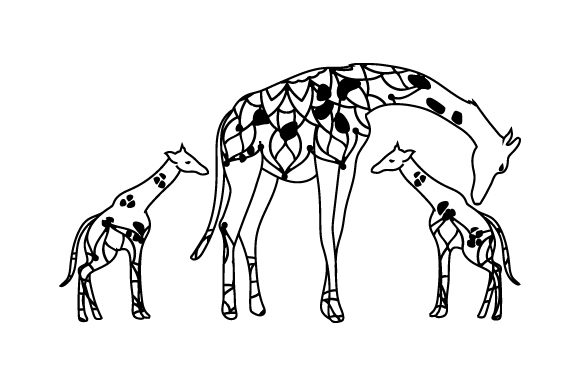
When I first opened the Mom and Baby Giraffes files, my immediate focus wasn't just on the adorable subject matter, but on how the vector lines would translate into actual thread paths. As a designer who frequently creates for the nursery and children's apparel market, I look for a balance between aesthetic charm and technical viability. This design captures a gentle, nurturing mood that is essential for baby-related projects. The interaction between the two figures suggests movement and connection, which is far more engaging than static, standalone animals often found in generic digital embroidery file libraries.
While this asset is categorized under Mandalas and Crafts, the execution here leans heavily into illustrative storytelling rather than geometric repetition. For an Etsy seller or small shop product creator, this distinction matters. It positions the design as a centerpiece for personalized gifts rather than just a background filler. The provided SVG, EPS, DXF, and Transparent PNG formats offer excellent versatility for those of us who need to manipulate vectors before digitizing or use the PNG for high-quality printable mockups to gauge customer interest before committing to stitching.
Real-World Application: The Custom Tote Bag Test
To truly evaluate this machine embroidery design, I mentally placed it onto a canvas tote bag intended for a new mom gift set. Tote bags are a staple for craft business owners because they offer a flat, stable surface that showcases detail well. In this scenario, the Mom and Baby Giraffes design serves as the primary focal point. The vertical orientation of giraffes naturally suits the tall, narrow proportion of many tote bag panels.
I envision pairing this with a simple monogram or name below the hooves using a clean sans-serif font. The key here is spacing. Because giraffes have long necks and legs, there is significant negative space within the design silhouette. For a handmade product, this is actually an advantage. It prevents the embroidered patch area from becoming too dense or stiff, maintaining the drape of the canvas. If I were producing this for commercial embroidery sales, I would likely use a soft fill stitch for the bodies to keep the bag lightweight, reserving satin stitch only for the outlines or specific accent features like the eyes or ossicones to add tactile contrast without adding excessive bulk.
Technical Performance Across Different Substrates
A beautiful screen preview does not guarantee a successful finished product. When adapting Mom and Baby Giraffes for various applications, the substrate dictates the success of the stitch-out. Here is how I approach different materials based on the design’s inherent characteristics:
- Sweatshirt Embroidery: Fleece and French terry fabrics have texture that can swallow fine details. If the original design has intricate facial features or thin running stitch elements, they may get lost. I recommend testing on scrap fabric first. You might need to slightly increase stitch density or add an underlay to prevent the fabric texture from poking through the thread coverage.
- Baby Clothes and Onesies: Stretchy knits require careful stabilizer selection. The long vertical lines of the giraffe necks can cause puckering if the hoop tension isn't perfect or if the stabilizer is too weak. A cut-away stabilizer is non-negotiable here to maintain the integrity of the shape after washing. Always verify that the design size fits within the safe print area of the garment size you are targeting.
- Nursery Decor and Pillow Covers: Cotton and linen blends are ideal for this design. These woven fabrics provide the crispness needed for sharp edges. This is where the design can really shine in its full detail. For pillow covers, consider the placement relative to seams and zippers to avoid hooping difficulties.
Navigating Hoop Sizes and Fabric Limitations
One of the most common pitfalls for hobbyists and professionals alike is forcing a design into an inappropriate hoop size. While the Mom and Baby Giraffes artwork is scalable via the SVG and EPS files, embroidery has physical limits. Scaling down too aggressively can cause satin stitches to become too narrow to form properly, leading to thread breaks or a jagged appearance. Conversely, scaling up significantly increases stitch count and time, which affects profitability for small business merchandise.
Be particularly cautious with textured fabrics like terry cloth or minky when using this design for baby blankets. The pile of these fabrics competes with the embroidery. If you are creating holiday embroidery items or winter gear on these materials, you must use a water-soluble topping to flatten the pile during stitching. Without it, the delicate features of the baby giraffe will sink into the fabric, rendering the expression indistinct. Similarly, on dark fabrics, ensure your thread colors have sufficient contrast. Pastel threads on navy blue, for example, often require a white underlay base to appear vibrant and true to the digital proof.
Elevating Product Value and Customer Trust
For creative entrepreneurs, the quality of your embroidery directly correlates to perceived value. A poorly executed stitch-out screams "amateur," regardless of how cute the concept is. Using Mom and Baby Giraffes effectively means treating it as a premium asset. When listing custom apparel or personalized gifts on platforms like Etsy, your photos should reflect the precision of the stitch work.
Use the included Transparent PNG to create accurate, professional-looking listings before you even thread your needle. This allows you to test market demand and gather feedback on colorways. However, always follow up with real photography of the stitched item. Customers trust what they can see in thread form. Show close-ups of the registration marks and edge definition. If the design includes complex layering, demonstrate that the layers align perfectly. This attention to detail builds brand consistency and justifies higher price points for boutique products.
Essential Pre-Production Checklist for Makers
Before launching this design into your production queue or offering it as part of a collection, run through this practical validation process. Skipping these steps is often the difference between a bestseller and a return request.
- Verify Licensing Terms: Confirm whether your purchase allows for commercial use of finished products versus selling the digital embroidery file itself. These rights are rarely interchangeable.
- Conduct a Contrast Test: Stitch a sample in black and white or grayscale. This removes color bias and reveals whether the values and shading translate clearly through thread alone.
- Check Stabilizer Compatibility: Match your stabilizer weight to both the fabric and the design density. A heavy design on light fabric needs different support than a light design on heavy fabric.
- Validate Small Details: Inspect the smallest elements (eyes, eyelashes, spots) at your intended final size. If they are smaller than 1mm, they may need to be simplified or removed to prevent needle damage or poor formation.
- Test Wash Durability: If selling baby items or kitchen towels, wash and dry your test swatch. Check for thread shrinkage, color bleeding, or stabilizer residue. Your customers expect longevity.
Ultimately, Mom and Baby Giraffes offers a wonderful foundation for heartfelt, handcrafted goods. Its success in your shop depends entirely on your willingness to respect the technical requirements of machine embroidery. By approaching this design with a critical eye and a tester’s mindset, you transform a simple digital asset into a tangible product that resonates with buyers and stands up to the rigors of daily use. Whether you are making a one-of-a-kind birthday gift or stocking your online store for the upcoming season, let your craftsmanship be the bridge between the digital file and the cherished keepsake.